Indicator Species in the Tampa Bay Watershed
Indicator species are organisms that environmental scientists use to assess the health of a habitat, especially in water-based ecosystems. Indicator species not only can be animals, but also plants, birds, insects, or even bacteria, whose presence (or absence) reflects the state of their environment. Some indicator species can tolerate high levels of phosphorus or other pollutants, while other species cannot. Because many watershed indicator species are very sensitive to changes in water quality, they are often the first to be affected by pollution (i.e. runoff) or environmental disturbances including storms, droughts, or human activity. For this reason, indicator species play a vital role in helping scientists monitor and react to threats as they happen, making it easier to protect and preserve clean, healthy waterways.
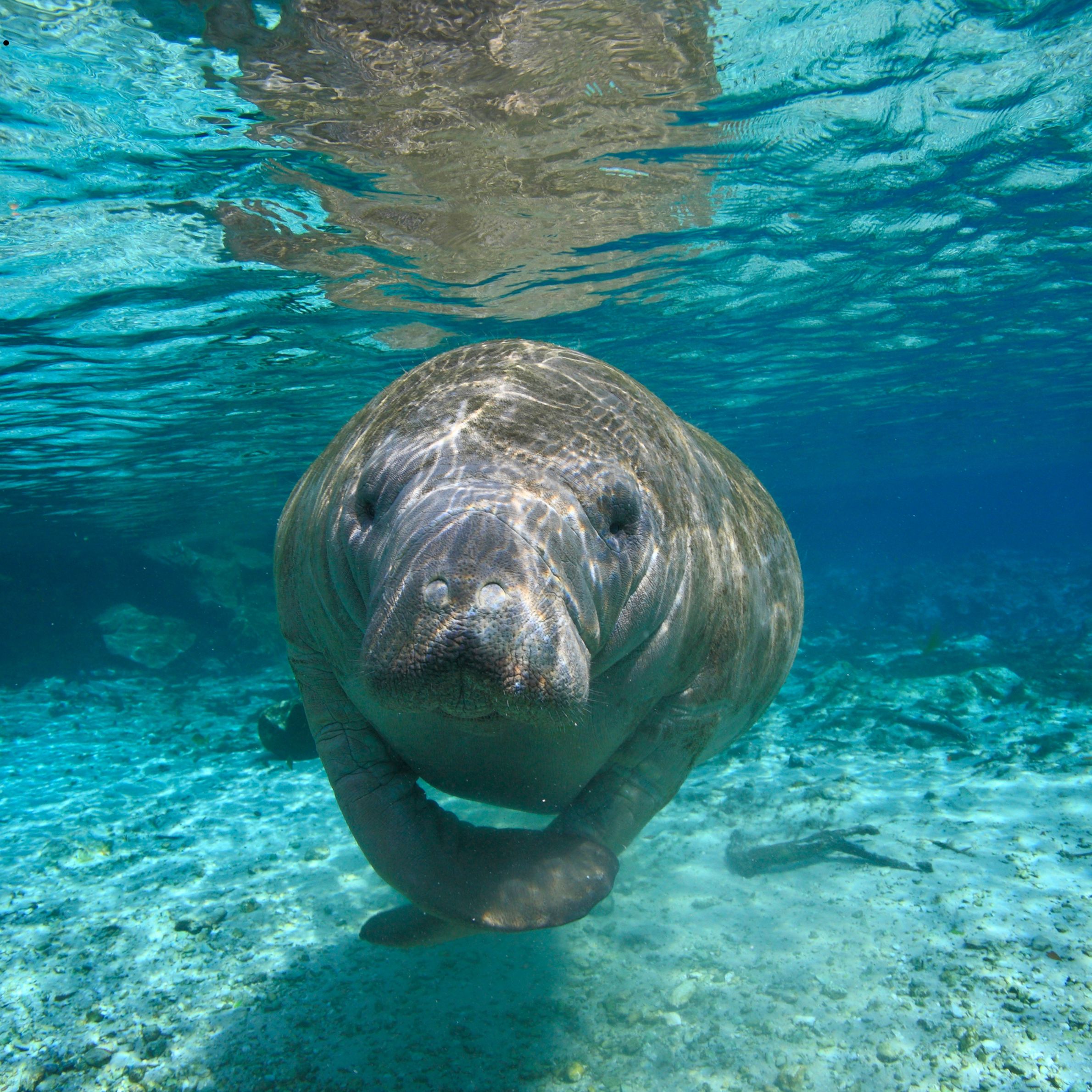
For example, the Florida manatee (Trichechus manatus latirostris) can act as an indicator species. If Florida manatees are present, it indicates that the watershed has enough sea grass for them to eat and the water temperatures are at a suitable level. Recently, this species has been used to analyze the amount of microplastics in the Tampa Bay Watershed. Over 75% of the examined manatees had ingested plastic. The majority of manatees having ingested plastic of course indicate there has been an abundance of plastic pollution and litter flowing into Tampa Bay.


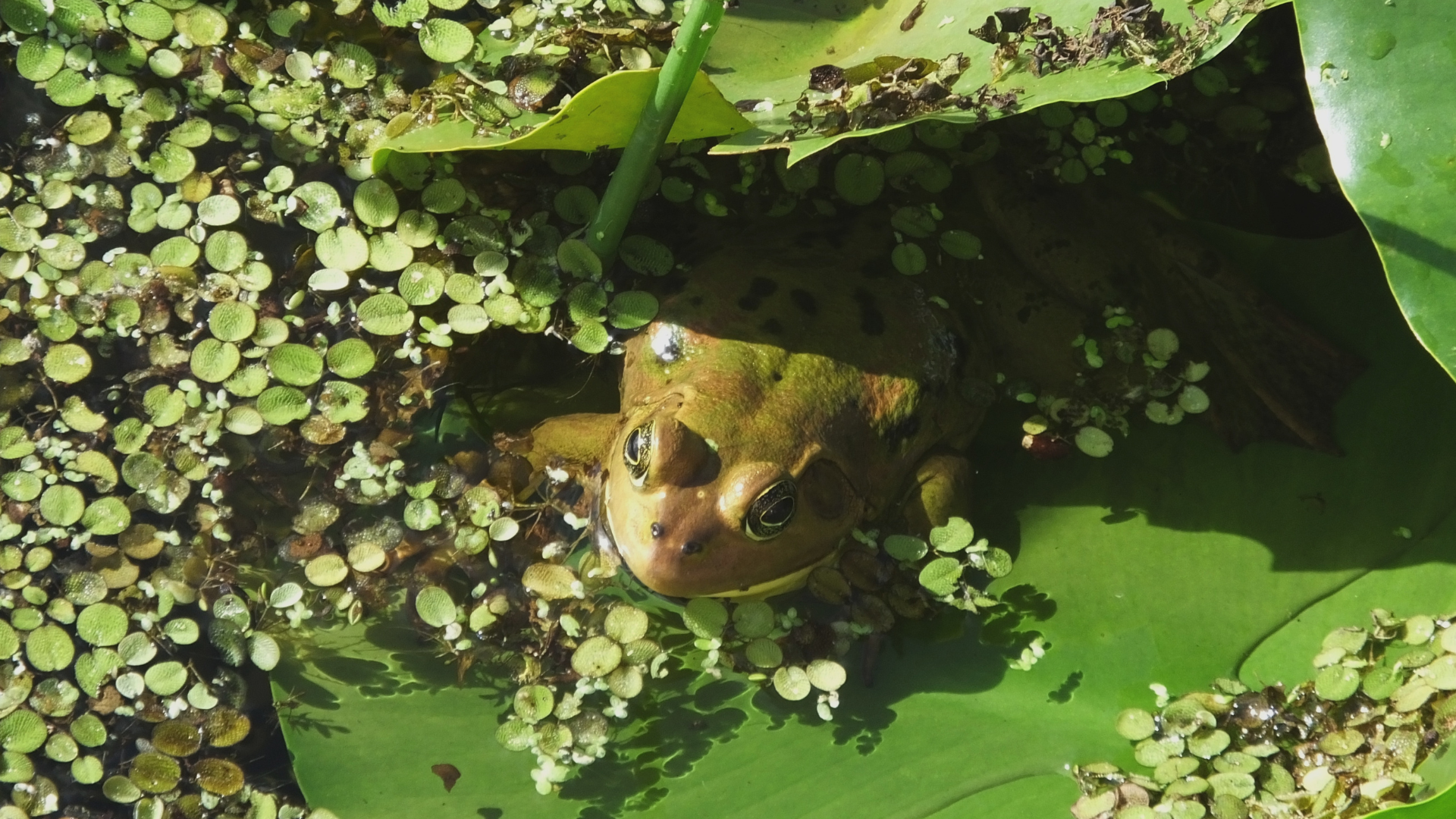
Lesser known indicator species include the American alligator (Alligator mississippiensis), the dragonfly nymph and dragonflies (Libellulidae), the water moccasin (Agkistrodon piscivorus), the brown water snake (Nerodia texispilota), the green treefrog (Hyla cinerea), the pig frog (Rana grylio), the water strider (Gerridae), amongst others. The presence of these species typically means that the ecosystem is healthy and biodiverse. For example, the American alligator is effective as an indicator species because the species is sensitive to changes in hydrological conditions within their environment. The green treefrog is another great indicator species because of its extremely thin skin. If there was a change in pollution or toxicity levels in an environment, the population of green treefrogs would be quickly impacted due to their sensitive skin.
In addition to studying indicator species, scientists also examine biodiversity to better understand ecosystem health. Biodiversity refers to the variety of different species living in an area—not just the total number of individual organisms. A healthy aquatic ecosystem typically supports a wide range of species, each playing a unique role in the food web. In general, the cleaner and more balanced the water system is, the greater the biodiversity it can support.
