Microplastics in the Gulf and Other Forms of Pollution
Pollution has become a major influencing factor that has emerged within the Gulf, causing harm both to the creatures who live there and the humans in the surrounding area. This includes microplastics, stormwater runoff (which carries unwanted bacteria and nutrients), along with industrial byproducts.
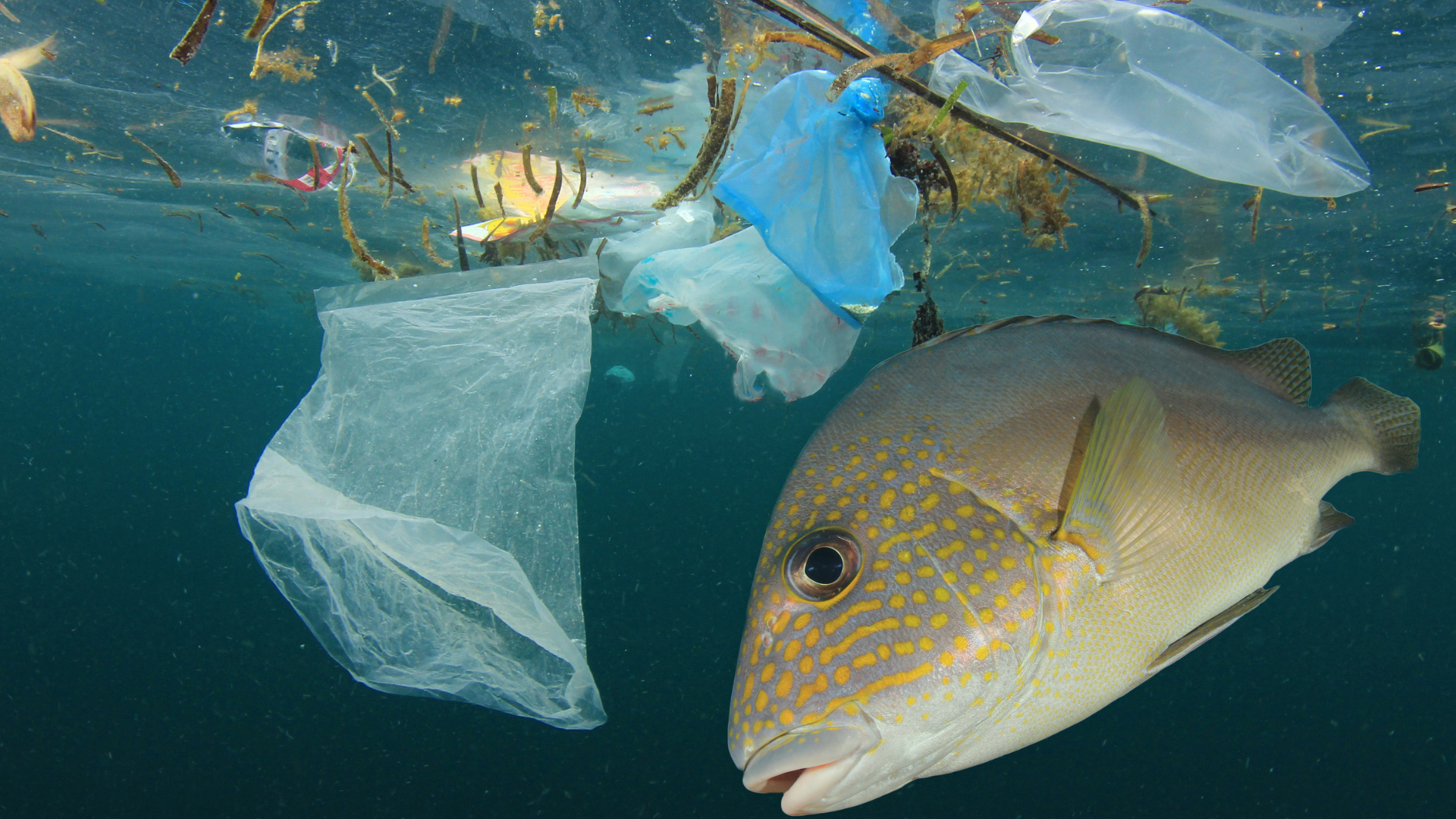
While plastic is known for its durability, it’s also one of the reasons why it’s a major contributor to waste in the ocean, as the impact plastic and subsequent microplastics have had on the earth is alarming. What are microplastics? Microplastics are extremely tiny pieces of plastic that come from everyday products. These small particles stick around on the ground, in the water, or up in the air, easily washing into storm drains, rivers, and eventually into Tampa Bay. Unknowingly eaten by fish, birds, and other wildlife, their toxins are absorbed by animals, greatly increasing as they move up the food chain, impacting not only fish and birds, but ourselves through what we eat (i.e. shrimp, tuna, etc.). Unfortunately, when levels become too high in people, people will suffer brain damage, cell and tissue decay, or even cancer.


So, how do we clean up microplastics? Sadly, once they have entered an environment or been absorbed, it is basically impossible to take them out. That’s why it’s essential to reduce microplastic pollution whenever possible.
Everyone can help reduce microplastic pollution by:
● Not littering
● Reducing single-use plastics
● Choosing reusable items
● Participating in local cleanups
Besides microplastics, chemicals such as fertilizers, pesticides, and herbicides can also contaminate the Tampa Bay Watershed. Used on lawns and farms, these products often end up washing into storm drains during rainstorms as runoff. Polluting local waterways, harming wildlife, and contributing to poor water quality and harmful algal blooms, these harsh products are dangerous to people as well. Not only can being exposed to certain algal blooms make people feel sick, symptoms from using these chemicals include developing nausea, coughing, or a rash. Increased exposure will lead to worse impacts, though.
Simple ways to reduce this pollution include:
● Using fewer chemicals on lawns and gardens
● Applying products only when needed and following label instructions
● Avoiding application before heavy rain

One of the most effective solutions is planting Florida native plants. Native plants require less fertilizer, pesticides, and water typically. They can also help prevent runoff, and provide important habitat for birds, butterflies, and other wildlife. By planting native plants, you can reduce the amount of water and fertilizers you use, which will prevent further pollution from runoff.

